$AMLX: Amylyx Just Won Its Phase 3. Now the Offering Changes the Math.
A 64% single-day surge on historic Phase 3 data. Then a $350 million equity raise announced the same evening. Here is what the dilution math, balance-sheet clock, and NDA calendar actually mean for the distribution of outcomes from here.

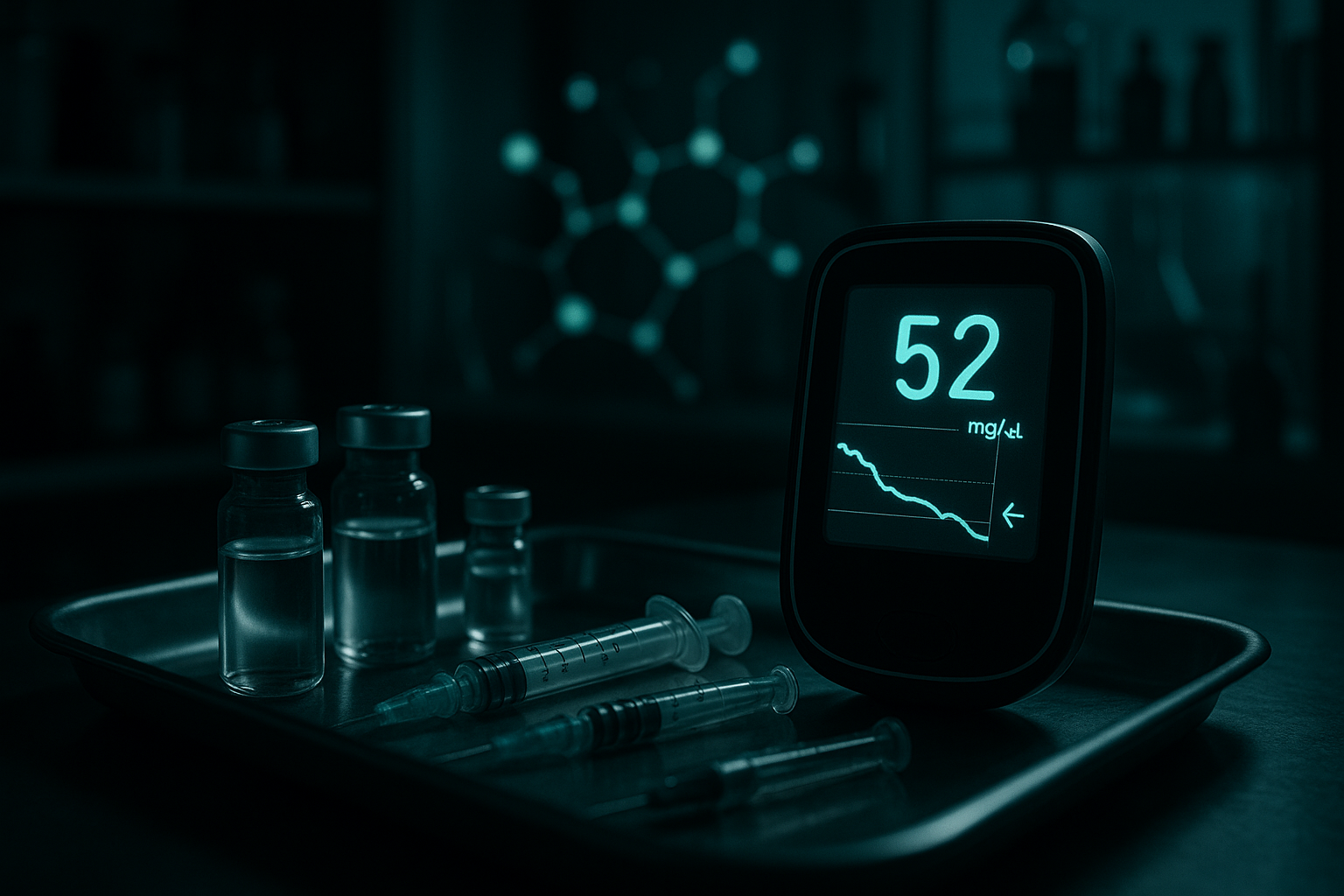
A First-in-Class Win — and Then the Offering
When a small pharmaceutical company announces it has beaten every endpoint in its pivotal Phase 3 trial, the market rarely needs a moment to think about it. Amylyx Pharmaceuticals did not get one.
On the evening of August 18, the company released topline results from LUCIDITY — the Phase 3 trial of avexitide in post-bariatric hypoglycemia. The primary endpoint was met with a 55% reduction in Level 2 and Level 3 hypoglycemic events compared to placebo. The p-value was 0.000003. Every secondary endpoint also met. No serious adverse events.
AMLX opened the following morning up 64%.
By the close, the stock had settled at $35.11 — a gain of $13.68 in a single session. The 52-week low is $7.63. Twelve analysts now rate the stock a Strong Buy, with price targets ranging from $39 to $55.
Then came the second announcement.
Also on August 18, simultaneously with the trial results, Amylyx launched an underwritten public offering of $350 million in common stock, with underwriters granted a 30-day option to purchase up to an additional $52.5 million. The math: a biotech whose Phase 3 data is the cleanest catalyst argument in its history chose that exact moment to sell shares.
This is not unusual. It is the rational corporate treasury move — capital is cheapest when the story is strongest. What it does is front-load the question that matters most: not whether avexitide works (the trial answered that), but what the ownership structure and cash position actually look like from here, and what the FDA calendar means for anyone holding through the next twelve months.
The Disease Nobody Talks About
Post-bariatric hypoglycemia (PBH) is exactly what the name says: recurrent, severe drops in blood glucose occurring after bariatric surgery, most commonly after Roux-en-Y gastric bypass. It develops in approximately 8% of RYGB patients. In the United States, RYGB procedures account for roughly 22% of the approximately 280,000 bariatric surgeries performed each year — generating a new pool of at-risk patients annually while the existing prevalent population already numbers in the hundreds of thousands.
The mechanism is structural. After RYGB, altered anatomy causes an exaggerated release of GLP-1 after meals, which triggers a dramatic insulin spike, which pushes blood glucose below the danger threshold. The results range from cognitive dysfunction and sweating to seizures and loss of consciousness.
There is currently no FDA-approved drug for this condition.
That fact carries regulatory weight. It is why avexitide holds FDA Breakthrough Therapy Designation and Orphan Drug Designation — not honors, but queue-jumpers. Breakthrough Therapy designation means FDA provides its most intensive guidance at every development stage, and historically the designation has materially accelerated paths to approval.
Avexitide works by blocking the GLP-1 receptor — the inverse of what Ozempic and similar drugs do. Where GLP-1 agonists amplify the receptor signal to suppress appetite and lower blood sugar in diabetics, a GLP-1 receptor antagonist blunts that signal. In PBH patients, blunting the exaggerated post-meal GLP-1 surge stops the insulin spike before it becomes a dangerous event.
In LUCIDITY, that mechanism produced a 55% reduction in dangerous hypoglycemic events (p=0.000003) across 78 patients randomized 3:2 to avexitide or placebo. All secondary endpoints met — including continuous glucose monitor-measured events and independently adjudicated severe episodes. Tolerability was clean. Amylyx plans to file a New Drug Application with the FDA by year-end 2026.
The question is not whether the drug works. The question is what happens between here and the pharmacy shelf — and who owns the equity when it gets there.
The rest of this briefing is for paid members: the real dilution math behind the $350 million offering, the balance-sheet runway before and after the raise, the NDA calendar and what each FDA milestone means, and the scenario-by-scenario price zones for holding through the next eighteen months.
AlphaBriefing Paid gets you every investment thesis, scenario framework, and catalyst brief we publish — the analysis private intel clients pay four figures for, at a fraction of that.