The West's Water Reckoning Arrives in 2026
The rulebook that divides the Colorado River expires this year, and seven states can't agree on a replacement. When Washington imposes one, the price of Western water gets honest — here's how to position.

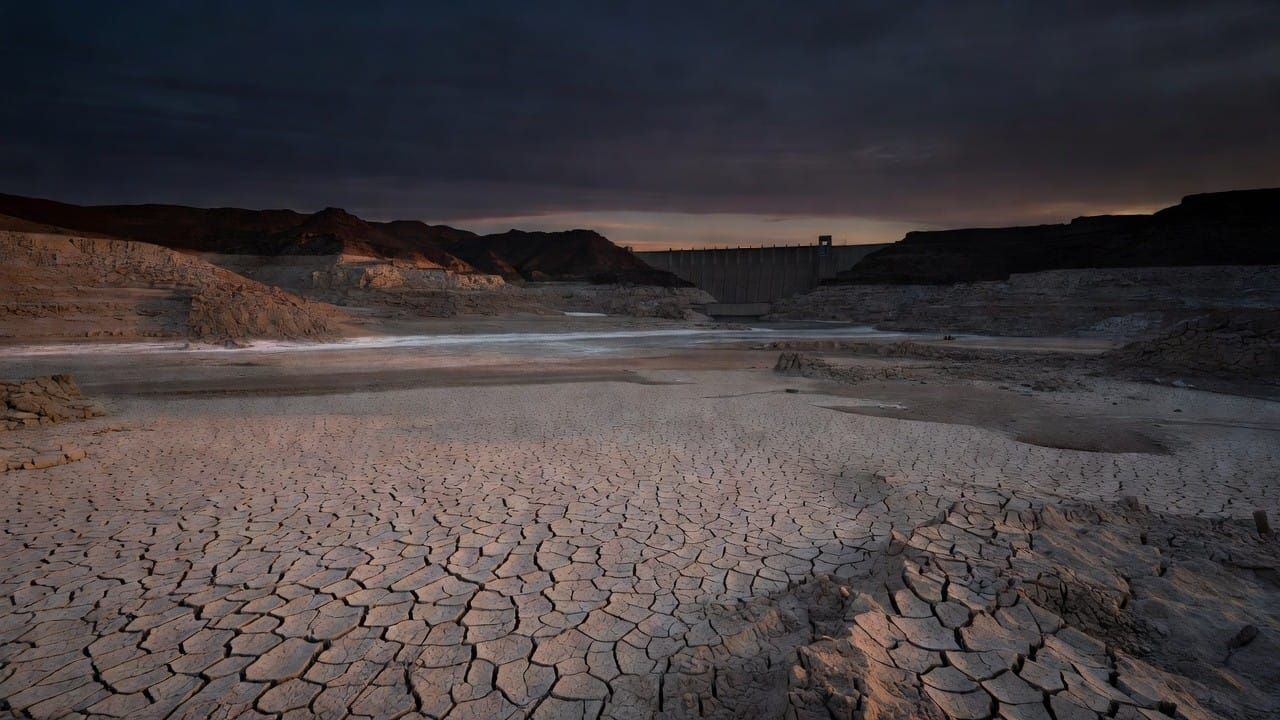
For eighteen years, the American West has run on a rulebook that everyone agreed was temporary. At the end of 2026, that rulebook expires — and the seven states that share the Colorado River have spent the better part of two years failing to write a new one.
This is not a drill, and it is not a regional curiosity. The Colorado River supplies water to roughly 40 million people across seven states and Mexico, irrigates a meaningful share of America's winter vegetables, and feeds the hydropower turbines at Hoover and Glen Canyon dams. The legal framework governing how it gets divided in a shortage — the 2007 Interim Guidelines, layered on top of the century-old 1922 Compact — sunsets in months. There is no agreed replacement.
The Deadline Nobody Could Meet
The structure of the dispute is brutally simple. The river was legally over-allocated from the start: the 1922 Compact divided up more water than the river reliably carries, based on measurements taken during an unusually wet stretch. For decades, the gap was papered over with reservoir storage. Two decades of drought and a hotter climate have drained that buffer. Lake Mead and Lake Powell — the two great savings accounts of the system — have spent years hovering near levels that threaten both deliveries and power generation.
The Bureau of Reclamation gave the states deadlines to agree on a post-2026 framework. A November 2025 target for a conceptual deal came and went. A February 2026 deadline for a detailed plan came and went. As of mid-2026, the Upper Basin states (Colorado, Utah, Wyoming, New Mexico) and the Lower Basin (California, Arizona, Nevada) remain at an impasse, fighting over the oldest question in Western water: who takes the cut when there isn't enough to go around.
The Lower Basin has floated structural reductions on the order of 1.5 million acre-feet a year or more, and pressed the Upper Basin to share the pain. The Upper Basin has largely declined to commit to mandatory cuts of its own, arguing it never used its full allocation in the first place. Neither side wants to be the one explaining to its farmers and cities why the taps tightened.
With no consensus, the federal government has stopped waiting. Reclamation is pushing its own environmental review to conclusion: a draft Environmental Impact Statement landed in January 2026, drew more than 18,000 public comments, and a final decision is targeted before October 1, 2026 — the start of the next water year. The alternatives on the table contemplate maximum annual delivery reductions ranging from roughly 1.5 million acre-feet to as much as 4.0 million, scaled to how low the reservoirs fall.
Translation: if the states won't decide, Washington will decide for them. And a federally imposed allocation, litigated for years afterward, is exactly the kind of uncertainty that moves the price of a scarce asset.
This is where the analysis gets actionable. AlphaBriefing members get the full investment framework — scenarios, positioning, and the bottom line.
Subscribe to AlphaBriefing — Free, Member, and Paid tiers available.