Indonesia Keeps Firing Its Finance Ministers
Prabowo just installed his third finance minister in under two years. Markets cheered the name — but the pattern is the story, and it decides how to price everything from the rupiah to the Jakarta bond curve.

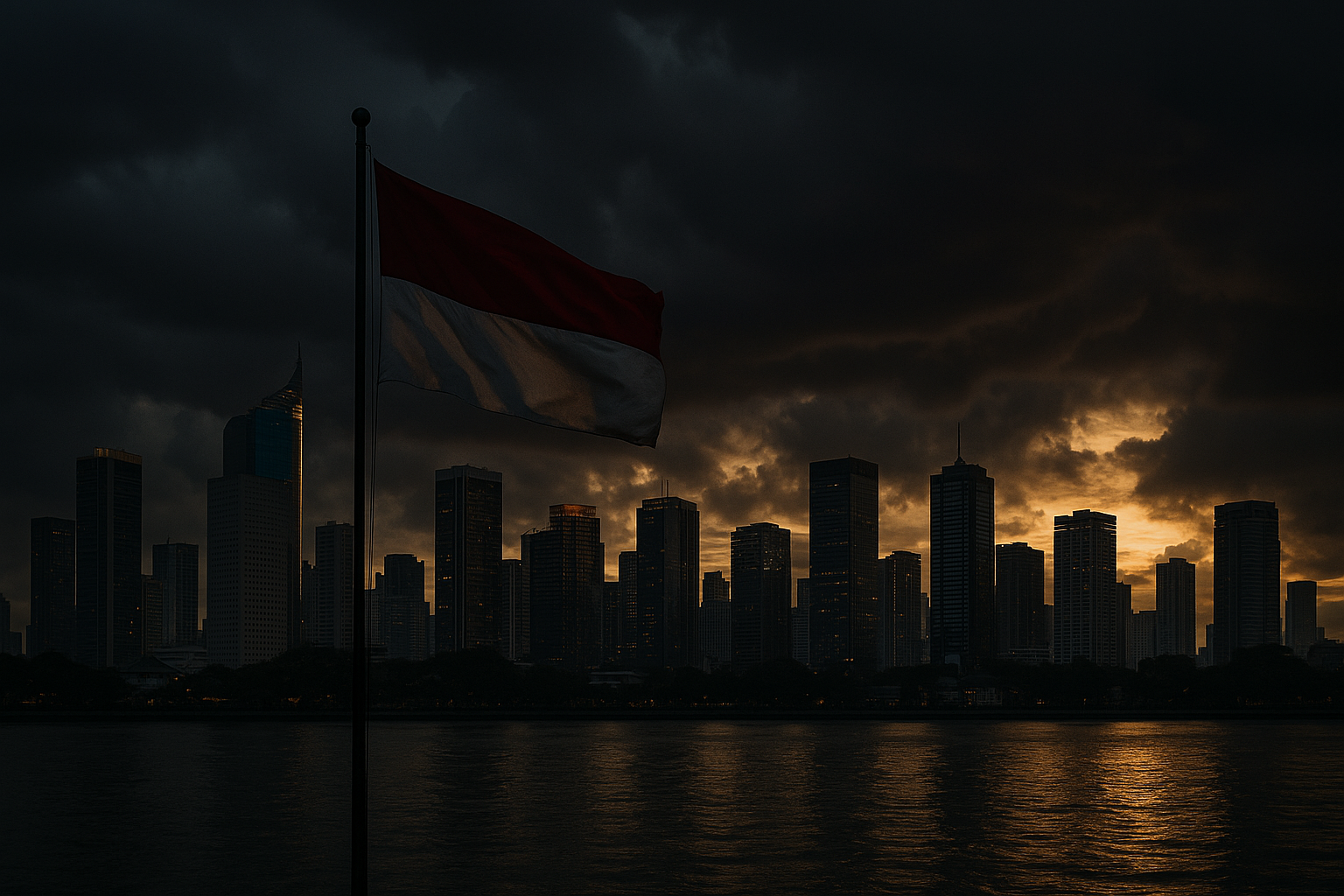
On Monday morning at the State Palace in Jakarta, President Prabowo Subianto swore in Suahasil Nazara as Indonesia's new finance minister. Stocks rose on the news. Local analysts called it a good move. The US-ASEAN Business Council said American investors weren't especially worried.
That is the polite version. Here is the other one: Indonesia — the world's fourth-most-populous country, Southeast Asia's largest economy, and the emerging market that institutional money most wants to believe in — has now had three finance ministers in under two years.
Sri Mulyani Indrawati, the technocrat who anchored Indonesia's fiscal credibility for the better part of two decades, was pushed out in September 2025. Her replacement, Purbaya Yudhi Sadewa, lasted almost exactly one year. On Monday he was gone too, replaced by his own deputy in a reshuffle so abrupt that, by his own account, he half expected it but still learned the details by phone.
Why Purbaya Was Fired
The week before his removal, Purbaya reassigned roughly 350 mid-ranking finance ministry officials and about 50 senior ones — a mass internal shake-up he later admitted was "partly" the reason he lost the job. Senior economist Bhima Yudhistira was more specific, pointing to rifts between Purbaya and two powerful agency heads: customs chief Djaka Budi Utama and tax chief Bimo Wijayanto. Reuters, citing sources, reported the ouster followed a clash with a former army colleague of Prabowo's.
Purbaya denied any friction, and denied that his exit had anything to do with his most consequential recent idea: a plan to have Danantara, the giant sovereign wealth fund Prabowo created to consolidate state assets, remit Rp 120 trillion (about $6.8 billion) back to the government's budget.
Note what none of the explanations involve: fiscal policy. Nobody claims Purbaya was fired over the deficit, the tax take, or the growth numbers. The fight was about who controls the ministry's people and the state's money. That is precisely why investors should be paying closer attention than the calm surface suggests.
The Market's Verdict So Far
The initial reaction was relief. The Jakarta Composite Index rebounded when the appointment was announced, and economists praised Suahasil's résumé — former head of the ministry's Fiscal Policy Agency, deputy finance minister since the Sri Mulyani era, a known quantity to every fund manager and rating agency that covers the country.
But the relief is thin. By Wednesday the JCI had slipped 0.38% to 6,436, bucking a broad Asian rally, with local brokerages naming fiscal credibility under the new minister as the key domestic worry. The rupiah has fallen for five straight sessions into this week's Federal Reserve decision. And the backdrop is unforgiving: oil has spiked above $100 on Middle East supply fears, inflating Indonesia's energy subsidy bill exactly when the budget can least afford it.
The numbers frame the stakes. Indonesia's deficit stood at roughly 0.9% of GDP through August. The government projects the full-year 2026 deficit at 2.85% — just under the 3% legal ceiling written into law after the Asian financial crisis. Run that math: roughly two-thirds of the year's planned deficit is scheduled to land in the final four months, while tax revenue runs behind target and the 2027 budget assumes 6% growth, a rate Indonesia hasn't sustained in a generation.
The question that decides how you price every Indonesian asset — the rupiah, the bond curve, the equity discount — is whether Monday was a restoration of the institution, or the completion of its capture.
Get the next briefing free in your inbox: Join AlphaBriefing
The rest of this briefing is free — it just requires a free AlphaBriefing account: the four-month fiscal cliff hiding in the deficit math, why Danantara's Rp 120 trillion is the single best tell for which scenario is unfolding, and the three-scenario framework with the specific signals that separate them.
Create your free account → — 30 seconds, no card.