The Peace That Wasn't: What Ukraine's Stalled Negotiations Mean for European Capital
US-brokered peace talks have stalled. The Abu Dhabi follow-up was postponed. Trump is blaming Zelenskyy. Polymarket prices a March ceasefire at 2%. Here's what the diplomatic vacuum means for European defence, reconstruction, and energy capital.

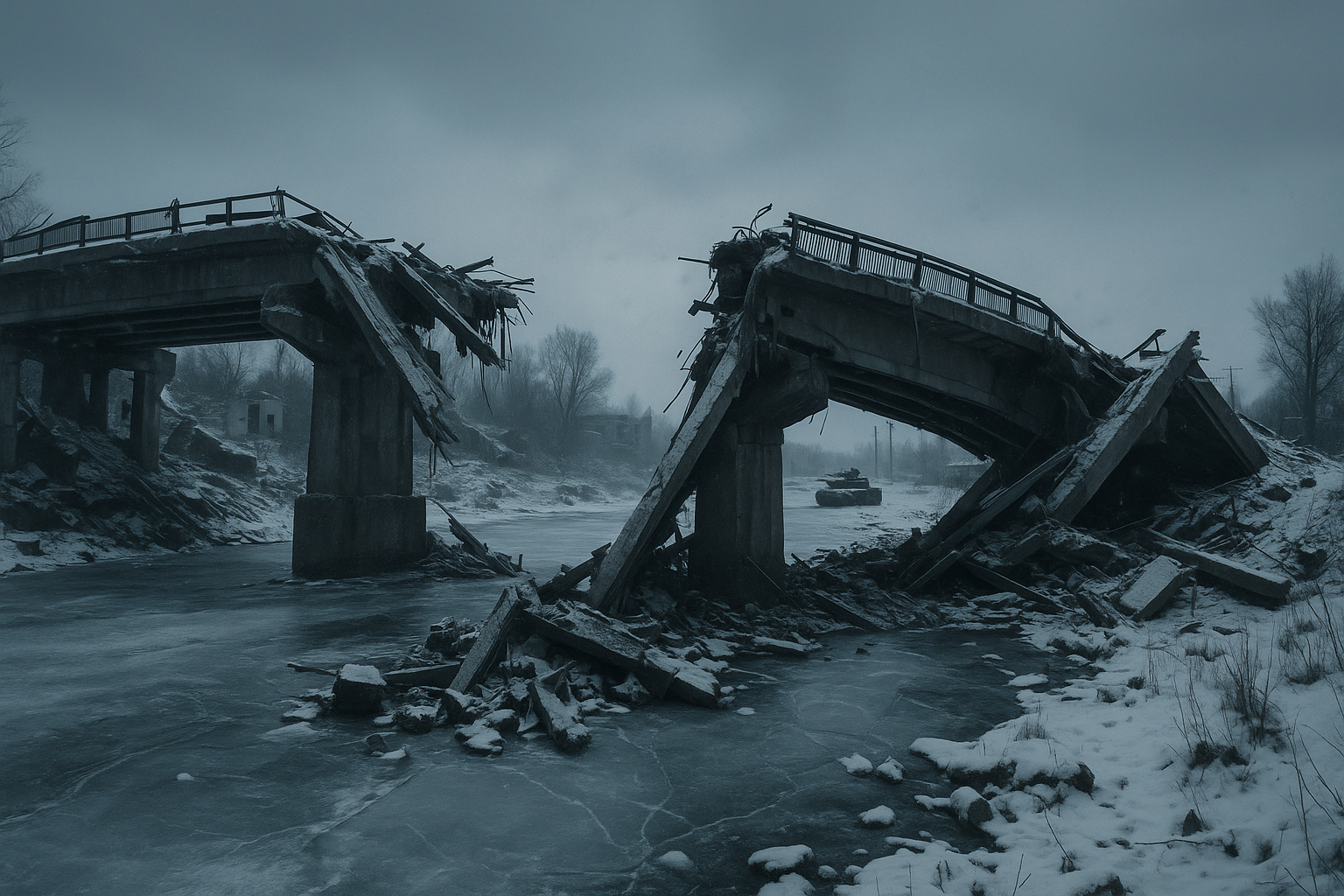
The Diplomatic Illusion
There was never a peace deal on the table. There was a process — and now even that is in question.
After three rounds of US-brokered trilateral negotiations in Geneva through February 2026, and two preliminary rounds in Abu Dhabi in January and early February, the talks have ground to a halt. The scheduled follow-up in Abu Dhabi (March 5-9) was postponed indefinitely — the UAE unwilling to host amid the escalating US-Iran conflict that has consumed Washington's diplomatic bandwidth.
As of this week, Zelenskyy is publicly waiting for the US and Russia to agree on when and where to meet next. The Kremlin, meanwhile, is dismissing reports that the process has "fizzled out" — a denial that tells you everything about how fizzled out it actually is.
Polymarket currently prices a ceasefire by March 31 at roughly 2%. That's not pessimism. That's a market accurately reading a diplomatic corpse.
How We Got Here
The Geneva talks were always structurally unresolvable. Russia entered demanding territorial concessions — recognition of Crimea, Donbas, and the four occupied oblasts. Ukraine entered insisting on full Russian withdrawal and NATO-equivalent security guarantees. These positions are not negotiating gaps. They are opposing definitions of what "Ukraine" is.
The two-hour collapse on day two in Geneva wasn't a negotiating breakdown. It was the inevitable result of both parties discovering they had nothing to say to each other that wasn't already known.
What changed — and what the markets are only beginning to price — is the role of the United States. The Trump administration has now effectively stepped back from its mediator role. The Iran conflict is consuming State Department and Pentagon attention. Trump, frustrated with the lack of progress, has publicly blamed Zelenskyy for the impasse — language that closely mirrors Kremlin talking points and strips Ukraine of its negotiating moral authority before the cameras.
Rheinmetall's CEO said it plainly this month: the Ukraine war "won't end in 2026." He was stating an operational reality, not a political prediction. The order books follow from that conclusion.
This is where the analysis gets actionable. AlphaBriefing members get the full investment framework — scenarios, positioning, and the bottom line.
Subscribe to AlphaBriefing — Free, Member, and Paid tiers available.