How Congress Turned Russia Sanctions Into a Tariff Weapon
The Senate passed the most sweeping Russia sanctions bill of the war the same month India's Russian crude imports hit a record and the Urals discount collapsed to $2. The price cap is dead — what replaced it is a tariff weapon aimed at Russia's customers.

The United States Senate passed the most sweeping Russia sanctions bill of the entire war on August 7 — 86 votes to 11, a margin Washington almost never produces for anything. The same month, India's imports of Russian crude hit an all-time record: roughly 2.8 million barrels a day by trade-tracker estimates, more than half of everything India buys from anywhere. The discount on Russian Urals crude, the entire commercial reason those barrels move, collapsed to $1–2 under dated Brent for late-August delivery — down from double digits at the price cap's peak.
Hold those two facts side by side and the story writes itself. Four years of maritime enforcement — the G7 price cap, tanker blacklists, insurance bans — ended with Russia's biggest customer buying more Russian oil than ever, at nearly full price. The Senate didn't try to fix that machine. It replaced it.
The Lindsey O. Graham Sanctioning Russia and Iran Act of 2026 — renamed for its lead sponsor, who died suddenly last month — stops chasing Russia's tankers and starts billing Russia's customers. It is the formal admission that the price cap is dead, and the construction of something very different in its place: a tariff weapon pointed at China and India, with the trigger left in the president's hand.
What the bill actually does
Strip away the length and the Act does five things:
Tariffs on the buyers, not the seller. The bill authorizes the U.S. Trade Representative to impose tariffs of up to 100% on goods from the top five importers of Russian oil and the top five importers of Russian gas — rates set individually, country by country. An earlier draft mandated a blanket 500% tariff; the passed version trades that headline number for something more usable. China is the largest buyer of Russian crude. India is second. This provision exists for them.
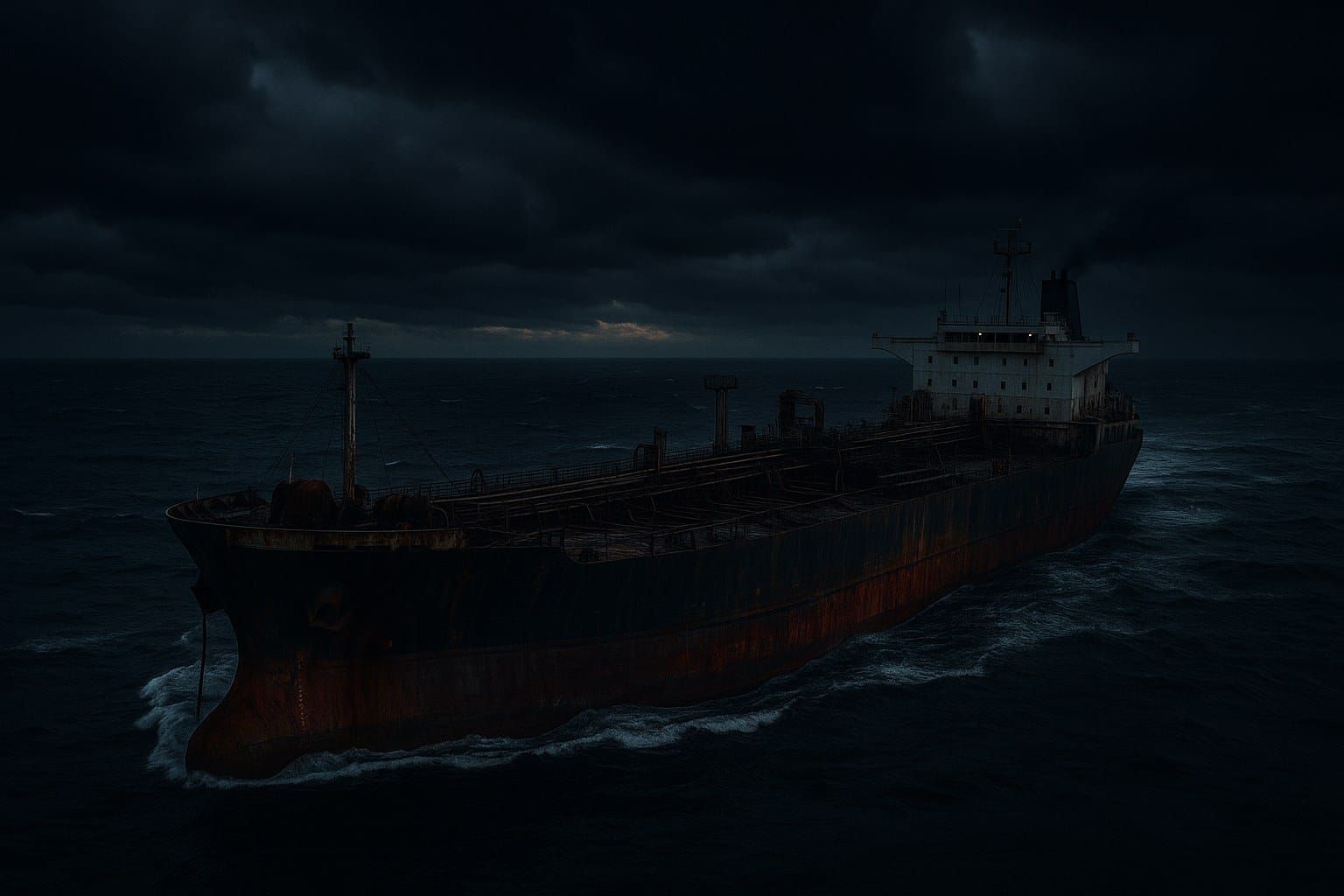
The shadow fleet, finally named. The Act folds in the Shadow Fleet Sanctions Act, targeting the ships, owners, operators, insurers, and ports that knowingly move Russian oil. Not just the hulls — the ecosystem that keeps roughly 600 aging tankers insured, flagged, and berthed.
A 30-day clock on Russian banks. Within 30 days of enactment, the president must impose sanctions on designated Russian government-affiliated financial institutions — mandatory language, not discretionary.
Iran, renewed. The Iran Sanctions Act of 1996 gets extended, bolting the two sanctions regimes together in one vehicle.
An exit that runs through Kyiv. Sanctions can be lifted only if the president certifies to Congress that Russia has signed a peace deal accepted by a free and independent Ukrainian government. That single clause converts the whole package from a policy into a negotiating position — and it outlives any one administration's enthusiasm.
Why Congress gave up on the old model
The price cap was designed in 2022 on a clean theory: Russian oil should keep flowing (to protect global supply) but at a discount (to starve the Kremlin). For a while it worked. Then Russia built its own tanker fleet, its own insurance, its own buyers — and the discount evaporated. By this spring, Washington was so far from controlling the trade that it briefly lifted sanctions on Russian oil already in transit between March and June, a concession allies openly criticized.
The Iran war finished the job. With the Strait of Hormuz throttled and Gulf barrels unreliable, India's planned diversification away from Russian crude ran in reverse — Russian barrels became the safe supply. That is how you get record Indian imports and a $1–2 discount in the same month the Senate votes 86–11.
What Congress concluded is worth stating plainly: the United States cannot enforce a price on oil moving between third countries in ships it doesn't insure. What it can do is tax access to the American market. The leverage moves from the Gulf of Finland to the U.S. customs house — from an enforcement problem Washington kept losing to a tariff schedule it fully controls.
The bill is now in the House, where a bipartisan companion — text identical to the Senate version — was introduced on August 10, during recess. A floor vote is expected this fall after the chamber returns August 31. Which is where the real questions begin: who actually gets hit, what it does to oil and tanker markets, and whether the weapon is ever meant to fire at all.
The rest of this briefing is for paid members: the $2-billion-a-year math that breaks India's Russian-crude habit, why China gets a negotiated carve-out India won't, the tanker-market read as the shadow fleet's insurance dries up, and the three-scenario framework for the House vote this fall.
AlphaBriefing Paid gets you every investment thesis, scenario framework, and catalyst brief we publish — the analysis private intel clients pay four figures for, at a fraction of that.